Category Archives: The Nation

Guess who wants to eliminate the Electoral College?

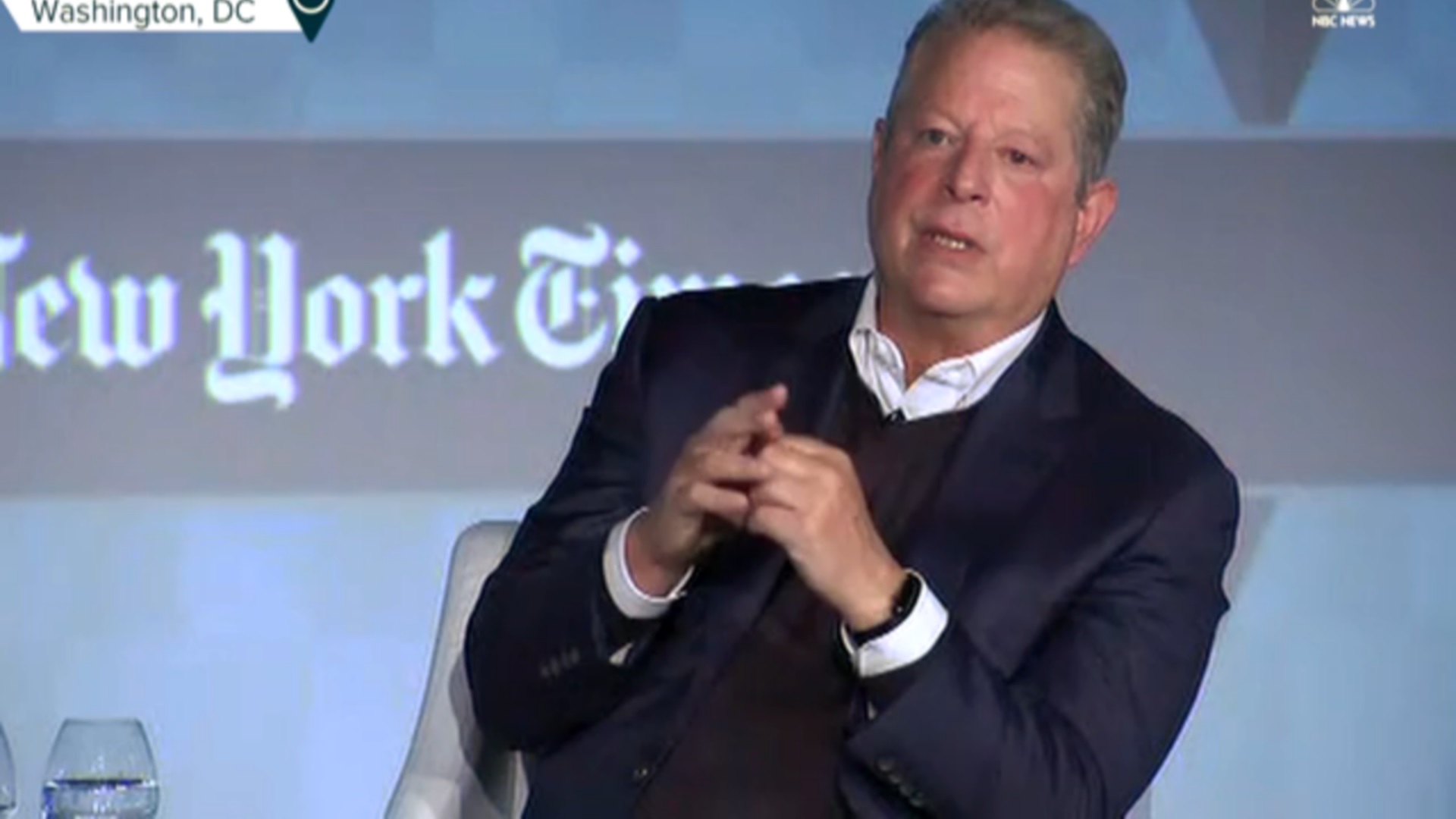
Yep, it’s my old Tennessee buddy*, Al Gore.

But in fairness, he says this is a new position for him. He notes that after he won the popular vote but lost the election in 2000 (and yes, my Democratic friends, he did lose; it was not “handed to Bush” illegitimately by the Court), he still supported keeping the Electoral College.

Now, he makes these points along the way to explaining his change of mind (not all of these points are relevant; I just found them interesting):

  • He recognizes that such a move is “not without peril,” and there are good arguments both ways. He says it’s “a balancing act,” but the balance has changed in favor of popular election.
  • He says “I think it would stimulate public participation in the democratic process like nothing else we could possibly do.”
  • He uses the cliche, “the wisdom of crowds” — which seems ironic, given what just happened. Even if the election had been by popular vote, the number of people who voted for Trump would have been scary.
  • Acknowledges that “the Internet age is filled with all this junk,” which is fun to hear given the popular meme that follows him.
  • He sees popular election as one of “three or four things” — another is getting money out of the process — that could revitalize our democracy.

* No, he’s not really my buddy, but we did know each other when he was a senator and I was an editor at the paper in Jackson, TN. Given the season, here’s a favorite story related to that. Al’s uncle or cousin (I was never clear on the relationship) lived down the street from us in Jackson. He was older, shorter and rounder than Al. One Christmas Eve (having checked with us first), he came to our house in his Santa costume to chat briefly with our kids. They were about 7, 5 and 3 at the time, and it totally blew their minds. He was, needless to say, a more gregarious guy than his famous kinsman. He also used to host an annual game supper/political gathering that I attended once, and it was the only time I ever tasted venison.

gore

Nikki Haley, ambassador to the United Nations

haley-waving

Late on election night, the folks on PBS (Judy Woodruff, David Brooks, Mark Shields, and others), utterly flabbergasted and in desperate search for something to say, somehow got on the subject of “Whither the Republican Party?” Or something like that. I forget exactly how they got on the topic, but they got to talking about who might be waiting in the wings in the party — which is odd; it seems more like they’d have been asking that about the Democrats.

And maybe they did. My memory is cloudy because I was in shock, too. But here’s my point: Somehow the name that came up — and I think it was the first name, perhaps the only one — was that of Nikki Haley.

Which was… surprising. But national media have long thought a lot of her. As a young, presentable, female, nonwhite Republican, she plays well nationally, certainly in the Identity Politics sense. And she is very personable. She makes a great first, second and third impression. And her time in office has brought her greater poise, while she has moved somewhat away from the Tea Party fringe that elected her. And she truly became the leader of this state when she stepped out on the flag last year.

So now, after she had the good sense to distance herself from him during the primaries, she is Donald Trump’s choice to be U.N. ambassador. And it’s playing as a good decision in national coverage.

First let me say, I’m far happier with her as U.N. ambassador than I am with Donald Trump as president — no question. But let’s just say that’s not a high bar.

And… we can discuss this more later… I feel pretty good about Henry McMaster as governor. He was the best candidate for that office in the GOP primary in 2010, and the only thing I can think of to say against him is that he backed Trump in the primary.

But let’s discuss that later. Back to Nikki Haley…

I just have to say this, as a guy who cares deeply about this country’s dealings with the rest of the world: What qualifications does she have for the position? Aside from being as I said personable, which can be helpful in diplomacy, I cannot think of any at all.

Today, The Washington Post is saying:

Haley, a former Trump rival, is generally considered a mainstream Republican, with views on military and national security matters that fall within the GOP’s hawkish mainstream. She has little foreign policy experience.

First, let’s correct the second sentence — to my knowledge, she does not have ANY foreign policy experience. (And no, a few industrial recruitment trips selling South Carolina abroad do not count as foreign policy experience of the U.N. Security Council sort.)

As for the first experience — where are they getting that? Yeah, she has gravitated from a Tea Party candidate who couldn’t wait to make the Establishment miserable to a more neutral position (where I frankly think she is more comfortable). And bless her, she went with Rubio on the primary. But what “views on military and national security matters” are they referring to? Aside from being proud of her husband’s service in the National Guard, I cannot think of any that she has expressed. Not that she needed to; she’s never had a job that called upon her to do so.

(And is the GOP mainstream still hawkish? Are Lindsey Graham and John McCain, who well represent where the party has mostly been since 1945, still the gravitational center? We can discuss that another time, too.)

As U.N. ambassador, Nikki Haley is a tabula rasa, as she was when she first ran for the House. The best thing that can be said is that she has no bad foreign policy habits to unlearn. If everyone in the GOP who knows anything about geopolitics had not run screaming from Donald Trump and all who sail in him, I suppose we could hope for her to be strenuously tutored — but who’s going to do it now? Trump?

And is U.N. ambassador actually the place where you go to get your feet wet in international relations? No. It does not come with training wheels, to the best of my knowledge. Of course, I’m a child of the Cold War, and grew up on such cultural references as “Failsafe” (and now, with Trump as president-elect, feel like I’m living in “Dr. Strangelove”). I see the U.N. Security Council as a deadly serious, high-stakes kind of thing, to say the least. Growing up with those references, I took what comfort I could from the notion that the people representing us around those conference tables in a crisis knew a lot more about this stuff than I did. And I wonder — back when Trump was asked about the nuclear triad and found wanting, how would our governor have answered the same question?

As y’all know, I’ve had frequent occasions to praise Gov. Haley in the last year or so; I’ve really felt that she was growing in the job, and I will always praise her to the skies for her leadership on getting the Confederate flag down. That was amazing, and wonderful, and stunning. It made her a heroine in my eyes.

But does any of that, or her calm, visible leadership during weather crises — for which I also honor her — qualify her for this?

Please tell me it does, and explain why, because I really want to feel better about this…

All the bad guys in the world are THRILLED at prospect of a diminished United States under Trump

On a previous post, our own Phillip Bush said he’s concerned about the Trump administration being “Bush/Cheney redux.”

We’re not going to be so lucky. There’s little chance of having an administration that is anything like Bush’s — or Obama’s, or Clinton’s, or Reagan’s, or Carter’s, or Nixon’s, or Johnson’s, or Kennedy’s, or Eisenhower’s, or Truman’s.

Yeah, I get why Phillip said that — John Bolton is a hard case, and some call him a “neocon,” although he really doesn’t fit the description. Neocons are liberals who deserted the left after Vietnam. Bolton has always been a conservative — he backed Goldwater in 1964.

But forget Bolton — in fact, I am little interested in who will hold this or that position. None of these appointments are as bad, or as consequential, as what has already happened — the election of Donald Trump, a man who just by being president will diminish the influence of the United States in the world.

You’ve probably read that most world leaders — particularly our friends — are deeply dismayed by what happened last week, and very worried about what happens next. They’re perhaps as upset as I am, and for some of the same reasons — my greatest worry about a Trump victory was its effect on international relations. You probably also know that this is exactly what Russia and China wanted — a clueless goofball at the helm of the United States, leaving the vacuum that they are eager to fill.

But others were cheering last week, too. And still are. The Guardian bothered to chronicle some of the reactions from a rogue’s gallery of extremists — mostly right-wing, populist nationalists: Marine Le Pen’s far-right Front National in France; Viktor Orbán, the hardline nationalist leader of Hungary; Frauke Petry, the lead of Germany’s rightwing populist Alternative für Deutschland; Greece’s Golden Dawn, the party seen as Europe’s most virulent far-right force; Heinz-Christian Strache, the leader of Austria’s rightwing populist Freedom party; the Dutch far-right leader and MP Geert Wilders; Beppe Grillo, the former comedian and the leader of the anti-establishment Five Star Movement in Italy; and of course Nigel Farage in Britain.

Fareed Zakaria looked beyond Europe, at some of the other bullies, tyrants and loonies who are happy that a man who neither understands or believes in America’s role in the postwar order will be in charge:

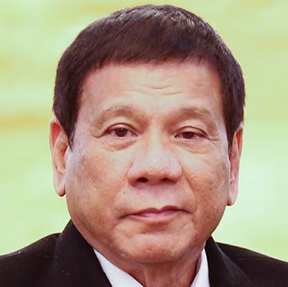
Duterte

Duterte

Syrian dictator Bashar al-Assad called Trump a “natural ally.” Rodrigo Duterte, the authoritarian leader of the Philippines, said of him, “We both like to swear . . . we’re the same.” Duterte has been hostile to the United States because Washington has criticized the extrajudicial killings and human rights abuses that have marked his tenure. Robert Mugabe, who has clung to power in Zimbabwe for 36 years while destroying that nation’s economy and liberties, has been similarly hopeful. A full-page editorial in a state-run paper there hailed the election of “the mighty Trump,” and the 92-year-old dictator has reportedly described Trump as a “friend.” No doubt Duterte and Mugabe hope that a Trump administration will go easy on them….

All over the world, separatists and nationalists, thugs and bullies of all stripes are ecstatic over Trump’s victory. Why? Because they see this as the end of the internationalist consensus that we’ve had since Truman, an unprecedented era of peace among major powers, largely led and guaranteed by an engaged United States.

Zakaria explains what’s at stake, in a simple, Geopolitics 101 manner:

But what is this globalism to which these people are so opposed? After 1945, after the Great Depression and two world wars, Western nations established an international system characterized by rules that honored national sovereignty, allowed for the flourishing of global commerce, and encouraged respect for human rights and liberties. This order resulted in the longest period of peace among the world’s major powers, marked by broad-based economic growth that created large middle classes in the West, the revival of Europe, growth in poor countries that lifted hundreds of millions of people out of poverty and the spread of freedom across the globe.

The U.S. role in all this was pivotal. It set the agenda and provided security, which was about more than just deterring the Soviet Union and other aggressive powers. Radek Sikorski, Poland’s former foreign minister, said, “America’s influence and its commitments have been our security blanket. They have allowed Europe’s national rivalries to stay dormant. If you take away those guarantees, Europe could get very unstable.” And remember, the European Union is the world’s biggest market and the United States’ largest trading partner.

For the United States, “globalism” has produced enormous advantages. With 5 percent of the world’s population, the United States dominates the global economy, in technology, education, finance and clean energy. One in five U.S. jobsis a result of trade, and that number is growing fast. The United States maintains the world’s reserve currency, giving it a huge economic advantage.

The benefits of growth and globalization have not been shared equally, and the pace of change causes anxiety everywhere. But these are reasons to invest in people, upgrade their skills and better integrate communities. They are not reasons to destroy the most peaceful and productive international system ever devised in human history….

Of course, some of my friends — Doug and others — would like to see the United States be a smaller, humbler country confined to its own borders. But my libertarian and my post-Vietnam liberal friends will find themselves in some ugly company in cheering a diminished United States.

This is a very bad moment for liberal democracy around the world.

Lindsey Graham on possible Trump nominations

Since I haven’t had time to write a real post today, I’ll share this from Lindsey Graham. It might prompt some discussion:

Graham Statements on Possible Trump Cabinet Appointments and Supreme Court

WASHINGTON – U.S. Senator Lindsey Graham (R-South Carolina) made these statements today about former New York City Mayor Rudy Giuliani, former Ambassador to the United Nations John Bolton, South Carolina Governor Nikki Haley, Senator Rand Paul (R-Kentucky) and Senator Ted Cruz (R-Texas).

Ø  On Rudy Giuliani or John Bolton as Possible Nominees for Secretary of State:

“The overwhelming majority of Republican senators have the utmost respect for Rudy Giuliani.  He led the nation and New York through 9/11.  He’s a citizen of the world who is eminently qualified to serve as Secretary of State.

“As for John Bolton, he was United Nations Ambassador under President Bush.  He is a reformer who would turn the State Department upside down and make it work better.  He understands who our friends and enemies are.  We see the world in very similar ways.   

“I believe an overwhelming majority of Republican senators would support either candidate and some Democrats would too.  You will never convince me that Giuliani and Bolton are not qualified to serve at this level.”  

Ø  On Senator Rand Paul’s Threat to Filibuster Giuliani or Bolton:

“You could put the number of Republicans who will follow Rand Paul’s advice on national security in a very small car.  Rand is my friend but he’s a libertarian and an outlier in the party on these issues.  The fact that Senator Paul opposes Bolton and Giuliani will not keep them from serving.” 

Ø  On South Carolina Governor Nikki Haley as Possible Secretary of State:

“She’s done a good job as Governor of South Carolina.  She’s talented, capable and would do a good job in any assignment given to her.  I think Nikki is a traditional Republican when it comes to foreign policy – more like Ronald Reagan than Rand Paul.  I like her a lot.  I would certainly support her.”   

Ø  On Ted Cruz for the Supreme Court:

“We are replacing Justice Scalia, who was probably the most conservative justice on the Supreme Court.  Ted Cruz is a constitutional conservative in the mold of Justice Scalia.  If you are looking for a Scalia-type figure, Ted Cruz fits the bill.  We have had our differences, but even his worst critics cannot say Ted Cruz is not one of the smartest, most gifted lawyers in the country.  If you are looking for someone like Justice Scalia to serve on the Supreme Court, take a look at Ted Cruz.”

#####

Graham and McCain won’t stand idly by while Trump cozies up to Putin

Who might step out of the crowd to stand up to Russia?

Who might step out of the crowd to stand up to Russia?

One of the seemingly less alarming headlines in the days right after the election was this one:

Trump, Putin agree in phone call to improve ‘unsatisfactory’ relations between their countries, Kremlin says

And what’s wrong with that? We might even applaud it, were Trump a normal POTUS-elect. Of course one chats with foreign leaders after winning the election, and of course one expresses hope for good international relations, even “resets.” Kumbaya, and all that.

But since we had ample evidence during the election that Trump is putty in Putin’s hands, and since Putin’s international goals include expanding his territory toward more Evil-Empirelike boundaries and propping up Bashar al-Assad in Syria, it’s quite natural to be creeped out by such an otherwise vanilla headline, because it tells you that it’s already begun.

Fortunately, people who know better than Trump are serving notice they won’t stand idly by while this bromance develops.

First there was this:

Sen. John McCain, the chairman of the Senate Armed Services Committee, sent his first shot across the bow of President-elect Donald Trump’s national security plans Tuesday, saying that any attempt to “reset” relations with Russia is unacceptable.

“With the U.S. presidential transition underway, Vladi­mir Putin has said in recent days that he wants to improve relations with the United States,” McCain (R-Ariz.) said in a statement released by his office.

“We should place as much faith in such statements as any other made by a former KGB agent who has plunged his country into tyranny, murdered his political opponents, invaded his neighbors, threatened America’s allies and attempted to undermine America’s elections,” he said….

Then, McCain’s pal Lindsey Graham weighed in:

Sen. Lindsey Graham (R-S.C.) on Tuesday said he wants Senate hearings to investigate whether Russian President Vladimir Putin interfered in the U.S. election, casting doubts on President-elect Donald Trump’s desire to improve relations with Russia.

“Assuming for a moment that we do believe that the Russian government was controlling outside organizations that hacked into our election, they should be punished,” Graham told reporters on Capitol Hill. “Putin should be punished.”…

They are hardly alone, as the House demonstrated yesterday:

On Tuesday, the House passed a bill imposing mandatory sanctions on anyone that financially, economically, or technologically supports Syria’s government in the civil war there – a category that chiefly includes Russia and Iran. Trump’s supporters didn’t stand in the way, and the measure was passed unanimously.

“Regardless of perspectives on Syria, there’s some unanimity of opinion in sending a message on this kind of conduct,” House Foreign Affairs Committee Chairman Ed Royce (R-Calif.) said prior to the vote….

Here’s the part where we find out whether we should have believed all those reassurances we heard from Republicans about how our checks and balances would rein in the inevitable foolishness of a Trump administration…

Fareed Zakaria on ‘The two sins that defined this election’

fareed_zakaria_peabody_awards_2012_croppedHere’s another thing I recommend if you’re looking for good commentary on the election.

I complained yesterday that I found most of what I was reading unsatisfactory. Perhaps the best, most helpful piece I’ve read yet was this one by Fareed Zakaria, headlined “The two sins that defined this election.”

By way of spoiler, the two sins are:

  1. The utter disdain in which elites held Trump voters.
  2. The real racism that was at work in support for Trump.

So, as you see, he has criticism for both sides.

You should read the whole thing. An excerpt:

Over the past three or four decades, the United States has sorted itself into a highly efficient meritocracy, where people from all economic walks of life can move up the ladder of achievement and income (usually ending up in cities). It is better than using race, gender or bloodlines as the key to wealth and power, but it does create its own problems. As in any system, some people won’t ascend to the top, and because it is a meritocracy, it is easy to believe that that’s justified.

A meritocracy can be blind to the fact that some people don’t make it because they have been unlucky in some way. More profoundly, it can be morally blind. Even those who score poorly on tests or have bad work habits are human beings deserving of attention and respect. The Republicans’ great success in rural communities has been that even though they often champion economic policies that would not help these people — indeed, policies that often hurt them — they demonstrate respect, by identifying with them culturally, religiously and emotionally….


Please share your reports from the polls

There's no one in the L-Z line! It's good to be the W.

There’s no one in the L-Z line! It’s good to be the W.

Sorry not to have posted earlier. Technical problems on the blog. Here’s hoping they’re fixed now. I’m sure it was just a probing cyberattack by the Russians.

Well, I went and I voted, and it went fine, although there was a tiny glitch, no doubt also the work of the Russians. (Yes, those of you new to the blog; I’m kidding. I think…)

My wife got up just before 7, and was out the door before I could get ready. She returned in maybe 40 minutes, reporting that the lines at the Quail Hollow polling place weren’t bad, but the traffic getting in and out was horrible. Here’s the problem: We vote at Saluda River Baptist Church, which is at 3459 Sunset Blvd — across Sunset from our neighborhood. It’s in a section of Sunset where the hordes of people heading into town can actually get up a bit of speed — like, 55 or 60 mph — and this was rush hour. The driveway into the church is just below the crest of a hill. So basically, you can’t see the oncoming traffic until it’s on top of you.

So, I waited a bit, for rush hour to pass, then went to vote. And there was no line, for those of us with names in the L-Z range. The A-K people did have a short line to wait in, which is right and proper. It’s good to be the W.

Not only that, but I remembered my photo ID this time!

But then, when my neighbor who was working the poll took my little pink card and slipped that cassette thing into my machine to activate it… nothing happened. She was about to move on to try another machine when she noticed that the one next to this one still had a screen with candidates on it showing, and the voter had left. And here’s where we get into the whole voting-as-a-community thing.

That was Mr. So-and-So, she said, and he just lost one of his best friends last week, and has a lot on his mind. She ran after him, turning me over to another poll worker. The man returned, apologizing to all, and finished voting.

When I was done — this machine worked fine — she said she had told the man no problem, and that she supposed he was thinking about his friend who had died, and he said yes, he had been.

I learned one other thing — a bit earlier, the line had been out the door. So my timing was perfect.

How did it go for y’all? What are you seeing out there?

Donald closes as nominee of Occupy Wall Street; Hillary goes for Reassuring Grandma

Or, as NPR had it, “In Closing Ads, Trump Goes Dark While Clinton Goes Cozy.”

These are the final ads of the two campaigns.

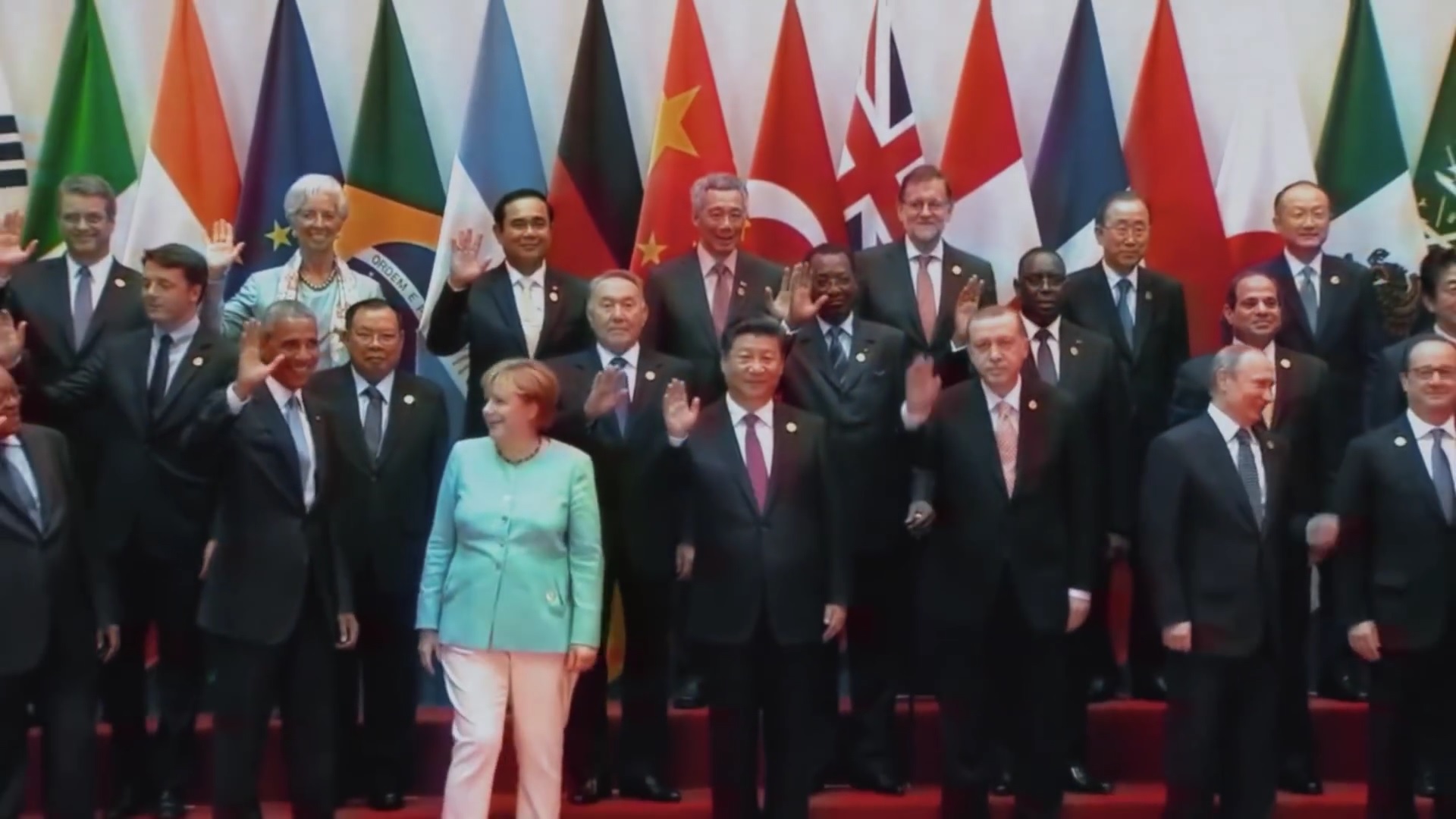
global-power-structure

Some members of the “global power structure” that Trump says is out to get us.

Trump’s is a deeply, profoundly, sweepingly paranoid view of our world. Apparently, we are all the victims of an enormous conspiracy that involves not only the corporations and billionayuhs Bernie was on about, but the leadership of every major country in the world, all engaged in a “global power structure” aimed at keeping us — or, at least, Trump’s base — down.

Hillary Clinton, who seems to be again clothed in what Alexandra Petri termed her “Saruman the White” look, goes for the approach of sitting us down, looking us in the eye and having a comforting heart-to-heart with us about the values that have always informed our country, and which make us great now, not in some distant past. In her view as presented here, we’re good enough, we’re smart enough, and doggone it; people like us.

It’s a pretty stark contrast. Either we’re all doomed, or we’ve got a pretty good thing going in this country, and have had all along.

And now we have to decide which makes sense to us.

What IS the deal with Comey?

This business of the FBI director’s letter last week has a lot of puzzling aspects that we could discuss.

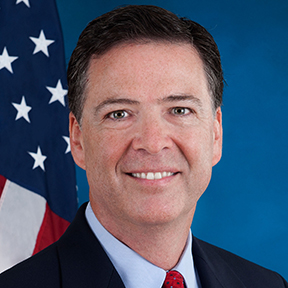
james-comey

Comey’s official FBI portrait. I almost don’t recognize him, smiling.

I almost did a post yesterday based on a couple of headlines out there, one of which was this: “Did FBI Director James Comey’s Email Announcement Break The Law?” To that, I could only say, Who cares? What if it did? Sure he could be prosecuted, fined, jailed, whatever — it wouldn’t affect what he has done to this election, whatever that is. The damage can’t be undone. If his actions result in the election of Donald Trump as president of the United States, keelhauling him might make a lot of us feel avenged, but it wouldn’t save the country.

Another headline — which I can’t seem to find now — said he may have a report on what is found in the new emails before the election. To which I could only say, whoop-te-frickin’-do. When would that be? Election eve? So if the news is detrimental to Hillary Clinton, or merely leaves a cloud over her, that could be the finishing stroke. And if it clears her of any further culpability, Republicans will charge to the polls in a fine lather, willing even to vote for Trump to express their ire.

There’s a lot more this morning. I was intrigued by an interview I heard on public radio this morning with Donald Ayer, deputy U.S. attorney general under Presidents Ronald Reagan and George H.W. Bush between 1989 and 1990. He made a fascinating point. He said that when Comey had his announcement/speech back in the summer, everybody kind of went, OK, so Hillary did some irresponsible stuff, but it didn’t rise to the level of being prosecutable. Republicans were outraged and Democrats relieved, but everyone went on with their lives.

And, Mr. Ayer said, no one stopped to think just how wildly inappropriate it was for someone with prosecutorial power to make a lengthy speech about the merits of a case he was deciding not to prosecute.

Anyway, the point was that that error set up this one. Having told Congress and tout le monde that he was done investigating and there was nothing to prosecute, he felt honor-bound to say last week, Uh, fellas, I found something else we need to take a look at….

(Being bound by honor is a very fine thing and all too rare these days. But I confess I’m on the verge of losing patience with Mr. Comey’s delicate sensibilities…)

So now we have this situation in which everybody’s mad at him — Democrats for possibly throwing the election to Trump, and Republicans for not telling us all right now just how much these emails damn Hillary.

Here’s another interesting wrinkle: “Comey was concerned publicly blaming Russia for hacks of Democrats could appear too political in run-up to elections.”

Yeah, right? He had his excuses for why he was concerned about the FBI’s purity in that case and not this one (and you should read the story), but still…

Finally… As y’all know, Bret Stephens, deputy editorial page editor of The Wall Street Journal, has written some extraordinary columns lately damning Trump and all-but-endorsing Hillary. Today, he had one simply headlined, “Resign, Mr. Comey.” An excerpt:

These aren’t partisan acts. They are self-regarding ones. Mr. Comey is a familiar Washington type—the putative saint—whose career is a study in reputation management. He went after investment banker Frank Quattrone. He threatened to resign from the Bush administration over its warrantless wiretap program. He vouchsafed the case against Steven J. Hatfill, the virologist accused of the 2001 anthrax mail attacks, in internal White House deliberations. He appointed his close friend Patrick Fitzgerald to investigate the leak of CIA analyst Valerie Plame’s name.

One common thread in these cases is that Mr. Comey was always on the right side of Beltway conventional wisdom. The second is that he was consistently on the wrong side of justice….

FBI directors are supposed to be above politics, not in them. President Obama has the authority to fire Mr. Comey but will be hard-pressed to do so politically. That goes double if Mrs. Clinton is elected. Who knows what a President Trump would do.

All the more reason for Mr. Comey to do the right thing. He has lost the trust of his political masters, his congressional overseers and the American people. Wanting to spend more time with family is the usual excuse.

Mr. Stephens is understandably ticked.

One wonders where Mr. Comey’s conscience will take us next. Although what it’s done so far is quite enough…


I don’t have the luxury of making a gesture with my vote

I was glad he was going to lose, but wanted to make a statement about Nixon.

I was glad he was going to lose, but wanted to make a statement about Nixon.

In my morning reading today, I ran across two things that impressed me. Both were from Republicans trying to explain just what a nightmare Trump is. Bret Stephens, deputy editorial page editor of The Wall Street Journal, had another strong column headlined “My Former Republican Party.” An excerpt:

Foreign policy: In 1947 Harry Truman asked Arthur Vandenberg, the Republican chairman of the Senate Foreign Relations Committee, to support his efforts to shore up the governments in Greece and Turkey against Soviet aggression. Vandenberg agreed, marking his—and the GOP’s—turn from isolationism to internationalism.

Since then, six Republican presidents have never wavered in their view that a robust system of treaty alliances such as NATO are critical for defending the international liberal order, or that the U.S. should dissuade faraway allies such as South Korea and Saudi Arabia from seeking nuclear weapons, or that states such as Russia should be kept out of regions such as the Middle East.

Where, amid Mr. Trump’s routine denunciations of our allegedly freeloading allies, or Newt Gingrich’s public doubts about defending NATO member Estonia against Russian aggression, or the alt-right’s attacks on “globalism,” or Sean Hannity’s newfound championship of WikiLeaks and its founder, Julian Assange, is that Republican Party today?…

Then there was the piece from Jennifer Rubin, The Washington Post‘s duty conservative, headlined “The Republicans who want to beat Trump by as much as possible.” An excerpt:

Trump and the mind-set of slavish Republicans who follow him deserve repudiation. Some Republicans think the party can be disinfected after the Trump experience and some want to start all over. (“These are generational problems. So maybe over time, over a number of decades, these changes can be made, but the reality is the conservative movement doesn’t have time for that,” said McMullin in defense of the latter approach. “And if the Republican Party can’t make the changes, as wasn’t able to do after 2012, the conservative movement will need a new political vehicle.”)

Either way, McMullin and others who want wholesale change on the right are rooting for Trump’s annihilation and his flacks’ and bully boys’ humiliation. The bigger the margin by which he loses, the more preposterous Trump’s claim that the election is fixed. Indeed, it’s more important for Republicans — if they want to get back their party — to vote against Trump than it is for Democrats. “By taking the leap to Clinton, these Republicans have set an example for all Americans to shed the home-team culture and put country before party,” Stubbs said. Maybe if they can recover some self-respect and devotion to principle by repudiating Trump, they will be prepared to create something superior to replace the GOP.

Absolutely. Republicans who care at all about their party and what it supposedly stands for have far more reason to want to see Trump utterly crushed than Democrats do. If you’re a partisan Democrat, you’re happy for Hillary to just squeak by, giving you more of an excuse to spend the next four years raising money to help you stop those horrid Republicans.

That is, if you’re the blinder sort of partisan Democrat. But whatever your party affiliation or lack thereof, if you understand the situation and care about the country we share, you want to see Trumpism crushed so that it slinks away and is never heard from again.

Which is why I, as a voter who cares, have no choice but to vote for Hillary Clinton. The same goes for you, if you can see it. She’s the only person on the planet who can defeat him, and just squeaking by won’t be enough.

We’ve had some terrific arguments here on the blog about that. And I still run into otherwise reasonable people who think an adequate response to Trump is to vote for neither of them. But that is NOT an adequate response.

Yeah, I understand the concept of using your vote to make a gesture, independent of any consideration of whether the candidate you vote for can win. I’ve done it myself — but only in rare circumstances when I had the luxury to do so. Or thought I did, anyway.

In 1972, my first election, I stood in the booth for awhile, undecided still. But in the end, I decided this: I voted for McGovern. I voted for him purely as a protest. I did it even though I thought he’d be a disaster as president. If the election had been close, if there’d been any chance of my vote deciding the outcome, I’d have voted for Nixon, because I trusted him more to have the judgment and abilities to run the country. But there was NO danger of McGovern winning, and even though I saw Nixon as more competent, I had a big problem with what I was sensing (but did not yet fully know) about Watergate.

So it was a protest vote, pure and simple.

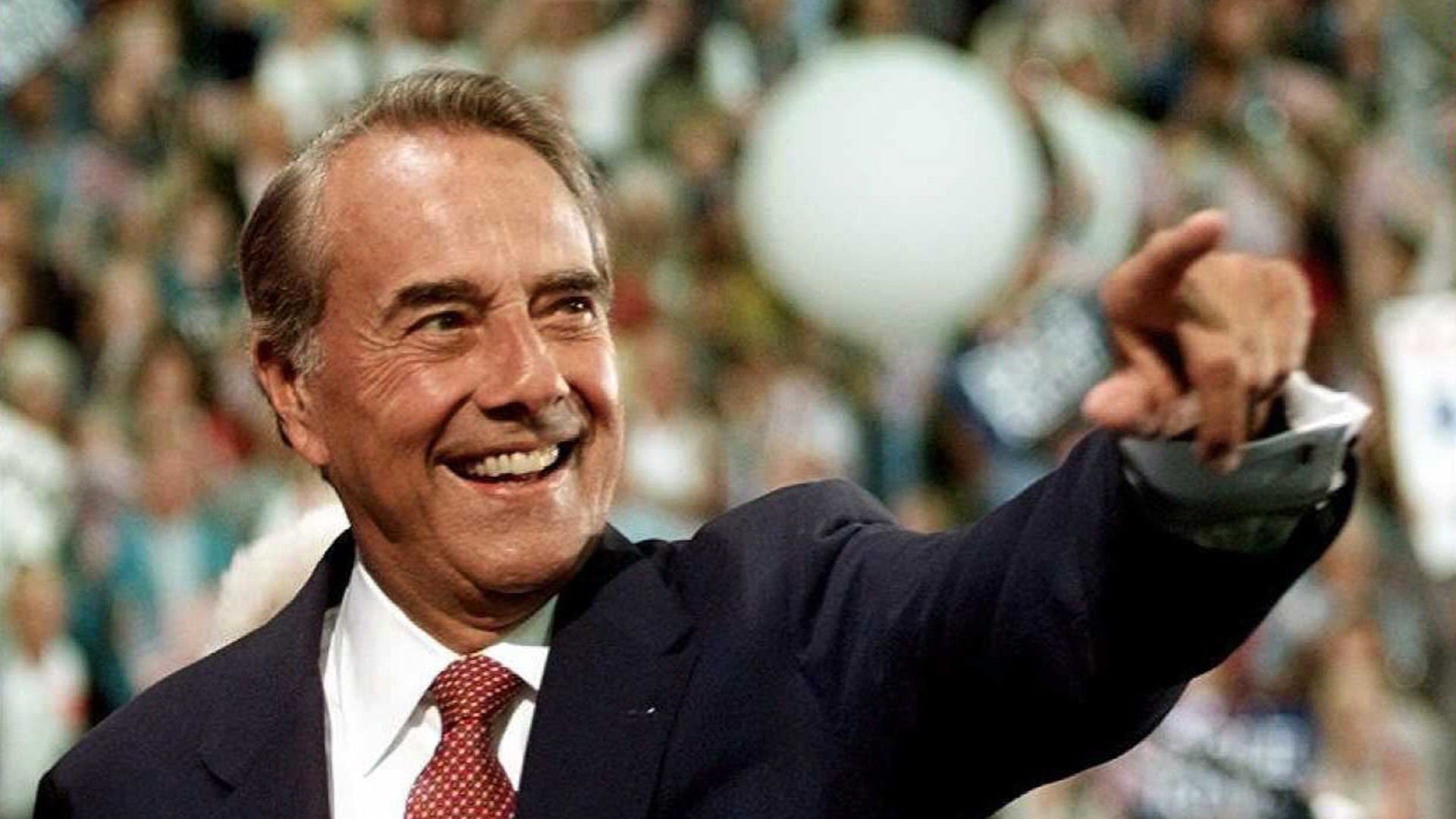
I did the same thing in 1996, although the positions of the parties were reversed (which matters not at all to me, but I realize does to some people). On a personal level, I preferred Dole to Clinton. I thought Dole was the better man. But the abysmal campaign he had run had utterly persuaded me that he would be a disaster as president. He simply lacked the political skills to be effective. Had the election been so close that my vote could conceivably decide it, I’d have voted for Clinton, as the more competent leader between the two. But I had a lot of problems with Clinton by this time, and there was no way my vote would make a difference — South Carolina would go for Dole, and the country would go for Clinton; that was clear by the end. So I expressed my distaste for Clinton by casting my vote for Dole.

Another pure protest, without any intended practical effect.

Silly, really, in both cases. What good is a protest if no one even knows you’re making it? And no one did know (apart from a few intimates), until now. In each case, I was just making a gesture, for my own, private satisfaction. It was childish, in a way — I’m so mad at you I’m going to vote for this guy I don’t even think should win!

In both cases, I thought I had that luxury. This year, I absolutely don’t.

Oh, I could make a private gesture expressing my dissatisfaction with both candidates by, I don’t know, voting for Evan McMullin, or someone else who doesn’t have a chance.

But I can’t. Either Donald Trump or Hillary Clinton is going to be president, and it is my duty as a citizen to do whatever I can to affect which way it goes. And whatever else I think or feel about Hillary Clinton (I’m not going to waste time here going through a list of her shortcomings, because they are beside the point in light of Trump), she is a person with the skills, experience and understanding to do the job. Donald Trump absolutely does not possess those qualities, and is a walking, talking negation of what this country stands for.

Yeah, she’s probably going to beat him, but that’s by no means certain. (Remember, as Trump keeps reminding us, Brexit was supposed to lose.) And that’s not enough. Trump must lose badly (or “bigly,” if you prefer), as Ms. Rubin suggests.

So I really don’t have the luxury this time to make a gesture with my vote. It matters too much this time.
How could a guy who ran such an awful campaign run the government?

How could a guy who ran such an awful campaign run the government?

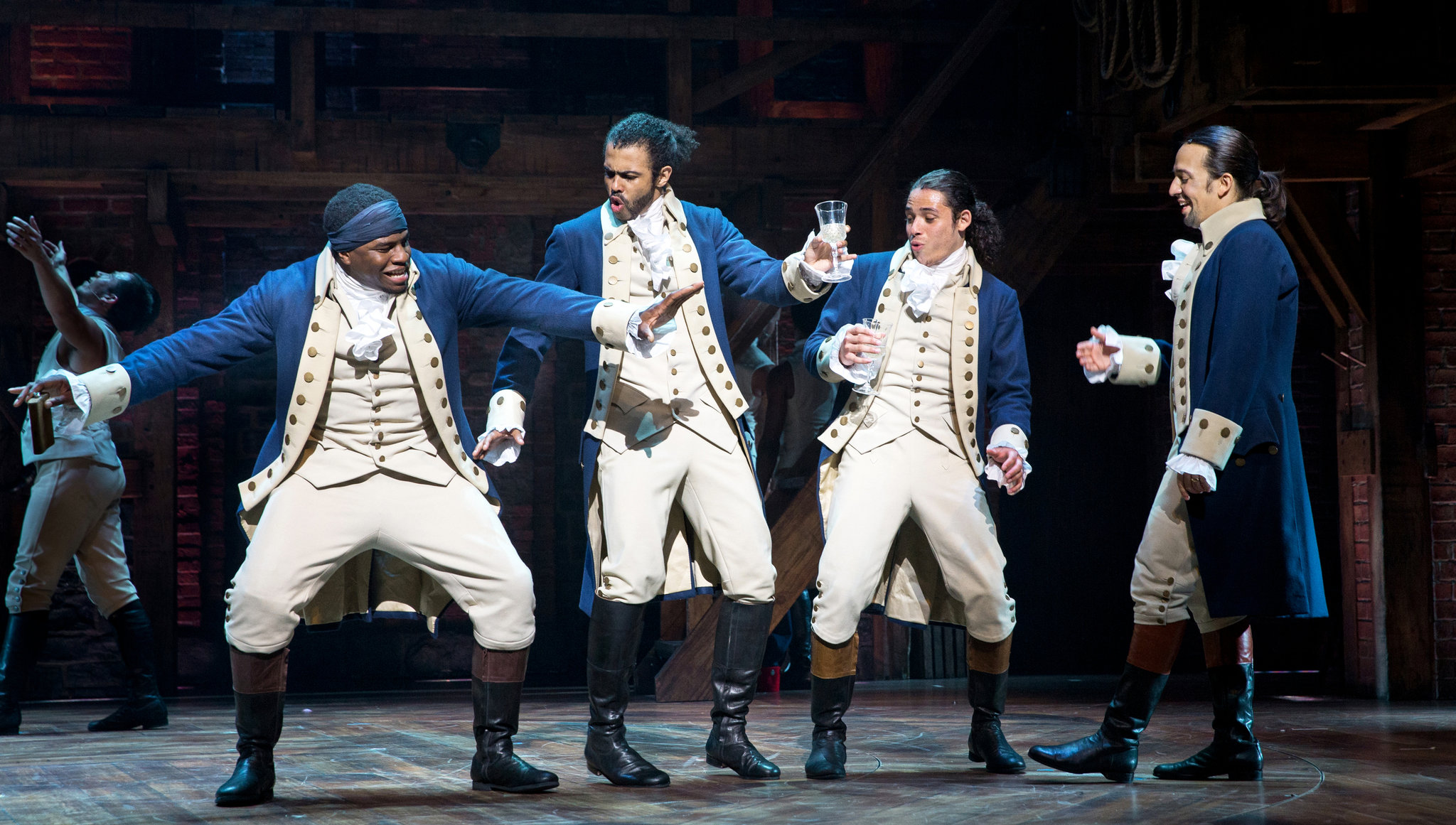
Finally taking the time to get into Hamilton

07hamilton-slide-dr5r-superjumbo

Roughly ten years ago, I was sitting at my desk in my office at The State, talking on the phone with Fritz Hollings. This was shortly after he had left office, and we frequently had occasion to talk. I don’t know what we were talking about, or who had called whom. It might have been about one of several op-ed pieces he wrote for us in that period — he was still having trouble letting go of policymaking. Maybe it was the conversation in which I called him to ask a favor — his good friend Joe Biden was going to be in town, and I wanted him to drop by the office if he had time so we could get acquainted, before he ran again for national office (Fritz came through on that).

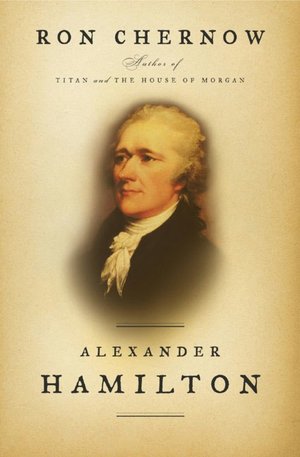
Anyway, we got off the subject, whatever it was. Fritz had just read Ron Chernow’s book, Alexander Hamilton, and he started singing its praises, saying I must read it. I took his advice — almost. I put the book on my list for family members looking for gift ideas for my birthday or Christmas, and someone promptly gave it to me. And… it has sat on my shelf ever since, until this weekend.alexander-hamilton

I really, truly, meant to read it. I’d always been interested in the Founders. On my way to sort of inadvertently getting a second major in history, I concentrated to a certain extent on that period. And I came away convinced that had I been alive and in politics at the time, I’d have been a Federalist. That was the party Hamilton had founded, and I knew he was brilliant, and that he provided most of the arguments that sold the Constitution to the country among other startling achievements, but… I was less attracted to him than to the others, and I knew that as a result I had neglected him. Which is why I had dutifully put the book on my list. But still, I kept my distance. Maybe I had absorbed some of the propaganda put out about him by Jefferson’s Democratic-Republicans, but it seemed to me that there was a reason why Hamilton wasn’t ever president, and I thought that if I was a Federalist, I was more of an Adams Federalist than a Hamiltonian. I mean, the guy was so into money and all…

So there the book sat. And during the years that I failed to read it, a young man named Lin-Manuel Miranda picked it up, and it set his mind on fire. He was inspired to write a musical based on the book, and it became the biggest hit on Broadway in a generation.

So, I missed a big opportunity there.

I kept hearing about the play, and seeing video clips from it, and I thought it was really exciting that someone had made a hit out of one of the Founders (and, to my mind, the Founder least likely to inspire a hit musical), but I had some Clueless White Guy questions: What did hip-hop have to do with the guy who had founded banks and our whole financial system? And why were most of the actors on the stage black — or at least, seemingly nonAnglo-Saxon? I didn’t object to them being black — I just wondered why. It seemed that there was a point being made, but I didn’t understand what the point was. I wondered whether it had to do with Hamilton’s obscure origins. All I knew (thanks to Jefferson’s folks) was that Hamilton was a bastard out of the West Indies. Was Miranda saying that, coming out of the ethnic richness of the Caribbean, he was of mixed race, so it was fitting to have actors of color fill the stage?

Well, on Friday night, I saw “Hamilton’s America,” the fascinating documentary about the creation of this play, and suddenly I got it. I saw what people were so enchanted with. I understood why, when Manuel was reading Chernow’s book on vacation, he thought, “This is a rap!” And I was deeply impressed by how everyone involved in the production was thoroughly immersed in Hamilton and the other Founders and what they were all about, and why they are important today — and not just to pasty-faced people of English extraction.

I was really impressed by that part. Decades ago, when I did some community theater back in Tennessee, I met a lot of talented people. And I was shocked to find that people who were brilliant musicians — something I could never be — and really gifted amateur actors were nevertheless… how shall I put this… not well read. They might do a play based on history — say, “The Lion In Winter,” which I acted in — and they’d get their lines and the intonations perfectly, but they wouldn’t really know the history or the cultural context of what they were pretending to be.

In this documentary, not only Miranda was able to speak fluently and inspiringly about Hamilton and his world, but the other actors as well. They went on and on about it, and you could learn a lot by listening to them.

And as I listened, I — who was last attracted to musical theater when Andrew Lloyd Webber came out with “Evita” (another sort of history I sorta kinda concentrated on in college was Latin American) — started really, really getting into the music. And that’s really, really saying something, since the only rap numbers I’m familiar with and like are the ones from “Office Space.”

So here’s the irony: Hip-hop helped get those young actors into history. And now history is getting me into hip-hop. As I type this, I’m nodding my head to “I am not throwing away my… shot!

OK, OK, Lin-Manuel! You got me! I finally picked up the book yesterday, and started reading. Slow reader that I am (the book’s 800-plus pages of small type pushed me away as much as anything), I’m on the third chapter now, and wow! He was right: This is a rap. I’m still in young Alexander’s shockingly difficult childhood in the Indies, and there’s nobody who ever came from meaner streets than he did. What a story.

So I’m really into it now. Fritz was right. So was Lin, who gave me the swift kick I needed…

Again, Trump completely disqualifies himself

They set the precedent, and Trump could not care less...

They set the precedent, and Trump could not care less…

Sorry I haven’t had time to post today, ere now… Anyway, to business…

As bizarre and grotesquely inappropriate as some of the things Donald Trump said in the second debate were (“tremendous hate in her heart”), the most important and instructive was his threat to imprison his opponent if he wins the election.

Similarly, as agog as we may be from such outbursts as “Such a nasty woman!”,  the one thing we heard in the third and final (thank the Lord) debate last night that was easily the most important, and instructive, was that Trump will not agree to abide by the results of the election. Something that was not a slip of the tongue or a momentary lapse, as he doubled down on it today.

As I said via Twitter last night:

If there were referees in American politics, Trump would have been thrown out of the game for the offense in the second debate (actually, much sooner, but let’s stick with the debates). He completely and utterly disqualified himself.

And if the refs had been deaf and blind in that instance, they would have tossed him out for the offense last night. He showed in both instances that he has no idea at all what elections are about in this country.

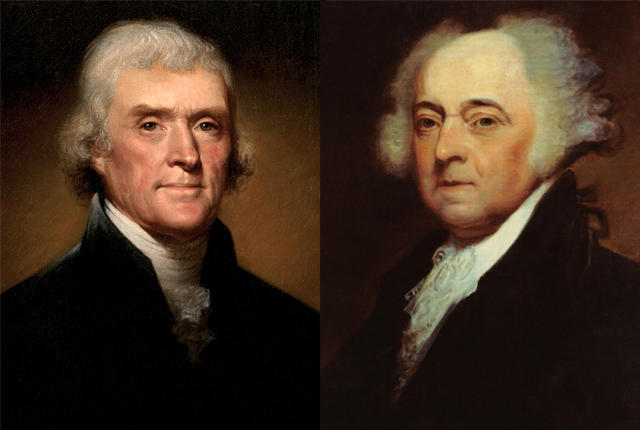
The gift that America gave to the world was not merely the promise, but the fact, of the orderly and peaceful transfer of power from one person, party or faction to another. As I said above, the miracle of the election of 1800 — one that for sheer nastiness at least deserves to be mentioned in the same breath as this one — was that Jefferson took over from rival Adams, and everyone accepted it.

This miracle has been repeated every four years, with one exception: South Carolina, and a number of other Southern states, refused to accept the results of the election of 1860. Thanks to the preternatural wisdom, leadership and political skills of the man who won that election, and the blood of hundreds of thousands, the nation was saved. But that was the central crisis of our history, as Lincoln himself explained. It was the great test as to “whether that nation, or any nation so conceived and so dedicated, can long endure.”

So we got through that and made it all the way to 2016, and Donald Trump — a man who does not have a clue what this nation is all about, and does not care. Trump, the nominee of the party of Lincoln. God help us.

When he is asked whether he will accept the results of the election if he loses, he thinks it is a question about him, and what he wants, and how he feels. Because in his universe, everything is all about him.

The nation, and the things that make it exceptional and wonderful, matter not at all…

The NYT, perhaps unsurprisingly, has a lawyer who can WRITE

McCraw

McCraw

You’ve got to read the letter that David E. McCraw, a lawyer for The New York Times, wrote in response to a letter from an attorney for Donald Trump asking the paper to retract an article that featured two women accusing Mr. Trump of touching them inappropriately years ago, and issue an apology.

No, really, you should read it. It’s not the usual legalese that gives you a headache before you get through the first sentence. It’s pretty awesome. It tells home truths, lays down a challenge and dares ’em to come on.

Click here to see the original document. Here’s the full text:

October 13, 2016

VIA ELECTRONIC DELIVERY

Marc E. Kasowitz, Esq.
Kasowitz, Benson, Torres & Friedman LLP
1633 Broadway
New York, NY 10019-6799

Re: Demand for Retraction

Dear Mr. Kasowitz:

I write in response to your letter of October 12, 2016 to Dean Baquet concerning your client Donald Trump, the Republican Party nominee for President of the United States. You write concerning our article “Two Women Say Donald Trump Touched Them Inappropriately” and label the article as “libel per se.” You ask that we “remove it from [our] website, and issue a full and immediate retraction and apology.” We decline to do so.

The essence of a libel claim, of course, is the protection of one’s reputation. Mr. Trump has bragged about his non-consensual sexual touching of women. He has bragged about intruding on beauty pageant contestants in their dressing rooms. He acquiesced to a radio host’s request to discuss Mr. Trump’s own daughter as a “piece of ass.” Multiple women not mentioned in our article have publicly come forward to report on Mr. Trump’s unwanted advances. Nothing in our article has had the slightest effect on the reputation that Mr. Trump, through his own words and actions, has already created for himself.

But there is a larger and much more important point here. The women quoted in our story spoke out on an issue of national importance – indeed, an issue that Mr. Trump himself discussed with the whole nation watching during Sunday night’s presidential debate. Our reporters diligently worked to confirm the women’s accounts. They provided readers with Mr. Trump’s response, including his forceful denial of the women’s reports. It would have been a disservice not just to our readers but to democracy itself to silence their voices. We did what the law allows: We published newsworthy information about a subject of deep public concern. If Mr. Trump disagrees, if he believes that American citizens had no right to hear what these women had to say and that the law of this country forces us and those who would dare to criticize him to stand silent or be punished, we welcome the opportunity to have a court set him straight.

Sincerely,
David E. McCraw

Well said, sir.

Could we go ahead and adjudicate this now?

Maybe it takes a Brit to get us to face ourselves

635890934224265787884431994_new-harry-potter-story-halloween

Apparently, all Hogwarts is worried that He Who Must Not Be Named could occupy the most powerful position in the Muggle world.

A friend brought this Tweet out of Hogwarts to my attention:

Yeah, I know: She can’t even vote here. But the Brits are our best friends in the world, and sometimes you need your friends to tell you to take a good look at yourself.

As for those who think she should butt out, she has this good answer:

Folks, this isn’t just about this country; this is about the kind of world we will all live in in the future. And everybody has a stake in it. Even in Hogwarts, the possibility that He Who Must Not Be Named could be elected to the most powerful position in Muggle world is a cause of great concern. (And you’ll notice, she did not name him.)…

What needed to happen last night did not happen

brighten

What needed to happen in the debate last night was this: Hillary needed to beat Trump — or rather, he needed to beat himself — as soundly as in the first debate. That, combined with the recording of Trump being Trump in 2005, would have meant the end of this drawn-out farce. Continuing the weekend trend, virtually every Republican who has gone along with his campaign would desert him, and we could all talk about something else for the next four weeks, secure in the knowledge that he would be so crushed on Nov. 8 that nothing like this will ever be repeated.

That didn’t happen. Not that Trump debated well, or in any way acted like the standard-bearer of a major party. But the bar for him is the lowest in living memory, perhaps in U.S. history, and in the expectations game, he held his own, since he was no worse than he is on an average day.

There were many low points in this debate, but what was the lowest? It was this:

Only that had been lacking to complete the portrait of Trump as the jefe of a banana republic: The use of the power of the state to persecute and imprison political opponents. All hail the caudillo!

This was no doubt lost on people who support Trump, and those who might consider voting for him. But this was a low point in American democracy, another bold step toward fascism. By contrast, his statement that his opponent has “hate in her heart” — also something we’ve never seen before — was less remarkable. And all the talk about adolescent sexuality was just background noise.

His supporters will protest: But Hillary said he had run a “hateful, divisive campaign!” Yes, she did, and that would indeed be a terrible thing to say if it weren’t true. Even being true, it’s not helpful, only a step or two above deplorable. But the difference between running an awful campaign and having hate in your heart is considerable.

What was Hillary Clinton’s lowest point? Well, I was most bothered by this:

See what she did there? She normalized Trump. She mainstreamed him. She did the thing that I, and many others, have begged people not to do: pretend this is just another election like any other, a contest between (in Republican eyes) wild-eyed, left-wing statists and (in Democratic eyes) fat cats who look like the little top-hatted man in Monopoly. She watered down one of the most disturbing things about Trump — that he’s always out for himself, not the country, or a party, or a class, or a faction. Just himself.

Yeah, I know why she does it: To please the “feel the Bern” crowd in her own party. But this is NOT a contest between classes, or of ideas. This is an election to decide whether an out-of-control, deeply narcissistic, crude, avaricious, vindictive, unbalanced man with fascist tendencies and no concept of what a liberal democracy is about will hold the most powerful position in the world.

That is all this election is about. It could have been about other things, had the Republicans seen their way clear to nominating a normal person. But it isn’t, because they didn’t.

(Perhaps this is a good moment to pause to speak to those just joining us, who have not followed my blog over the past 11 years, or my long career before that: I’m not one of the “liberal media” one hears so much about. I’m a guy known for only endorsing Republicans for president during all those years leading The State‘s editorial board — although we were about 50/50 between Democrats and Republicans on the state level. I’m a guy who is stunned that the GOP didn’t nominate someone normal, such as John Kasich — someone who is as disgusted by Trump as I am, someone I would gladly vote for instead of Hillary Clinton. I just thought I’d mention all that, in case you don’t know me and you think, like Hillary Clinton, that this is about Democrats vs. Republicans.)

Maybe in four years we can have a normal election, talking about the usual tiresome stuff, with 40 percent of the population voting one way without thinking and 40 percent doing the same in the other direction, and the 20 percent of us who don’t subscribe to either brand of nonsense will step in and made the decision.

From the perspective of this election, that almost sounds lovely. But we don’t have that luxury this year…

Join me on Twitter for tonight’s debate

it-begins

A little over an hour ago, Donald Trump held a brief presser with several women who have terrible things to say about Bill and Hillary Clinton.

His precise point wasn’t clear, but it does seem obvious that he doesn’t intend to elevate the discussion tonight.

But we’ll see… it’s about to start… Join me on Twitter, which is where I’ll be until it’s over…

Could this farce be at an end? No, because Trump won’t quit

Donald Trump has “apologized” for the things he said on a hot mic on the above video in 2005 — before launching into an attack on the Clintons and saying there was no way he was going to drop out of the race, despite calls from some Republicans that he do so.

So, he’s determined to weather yet another storm that would end the political career of anyone else. Because, you know, he has no shame.

Fortunately, a lot of mainstream Republicans do, which is why Speaker Paul Ryan, regaining his pride and courage, refused to let Trump appear on a stage with him yesterday.

Oh, wait: Did I say Ryan had regained his pride and courage? Well, sorta, kinda. We don’t need to hold a ticker-tape parade for him or anything:

But Mr. Ryan did not go so far as to withdraw his support for Mr. Trump, which for now keeps him in the political purgatory of endorsing the Republican nominee for president while continually having to say why he finds his remarks and policy positions despicable….

On one level, I’m thinking, why is this even a news story? We all know this is what Trump is like. What’s new here? But for some, this has been the last straw, and the pressure on him actually went to the point that he had to issue a statement refusing to resign.

The shock and horror that some Republican supporters, or former supporters, are expressing is reminiscent of Captain Renault’s “shocked!” in “Casablanca.” Really? They didn’t know he was like this? Riiiigghhttt

And do you think this will affect Trump’s support out among the hoi polloi? No, of course not. It never did before when things arose that should have caused his support to evaporate. Why would it happen now?

I wish this would have an effect on the polls; it would raise my estimation of the electorate somewhat from the depths to which it has sunk.

But I fear not.

So, as Trump said in his “apology” (below), on to Sunday night’s debate…

Sure, Hillary ‘won’ the debate, but does it matter?

trump-clinton

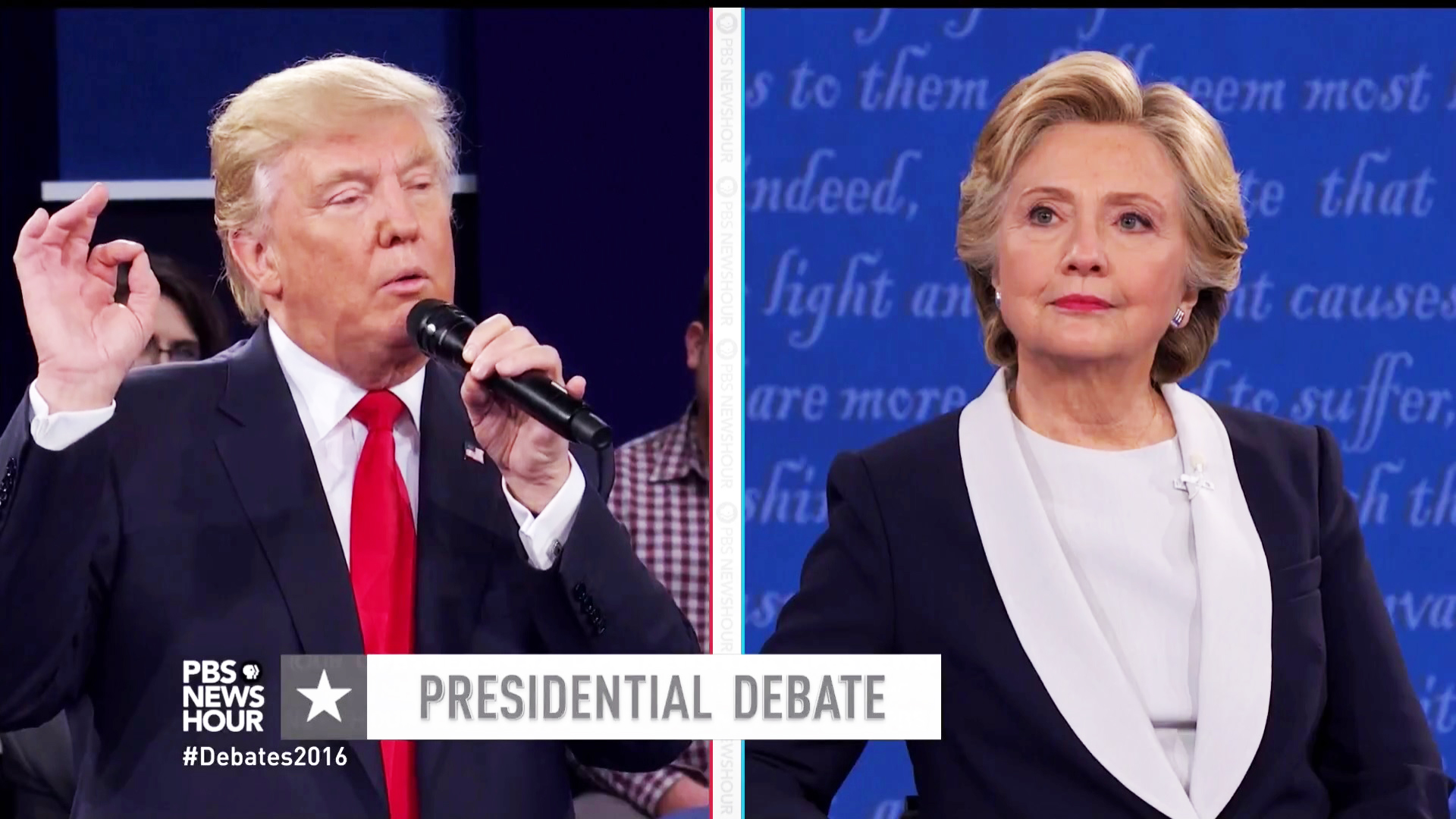
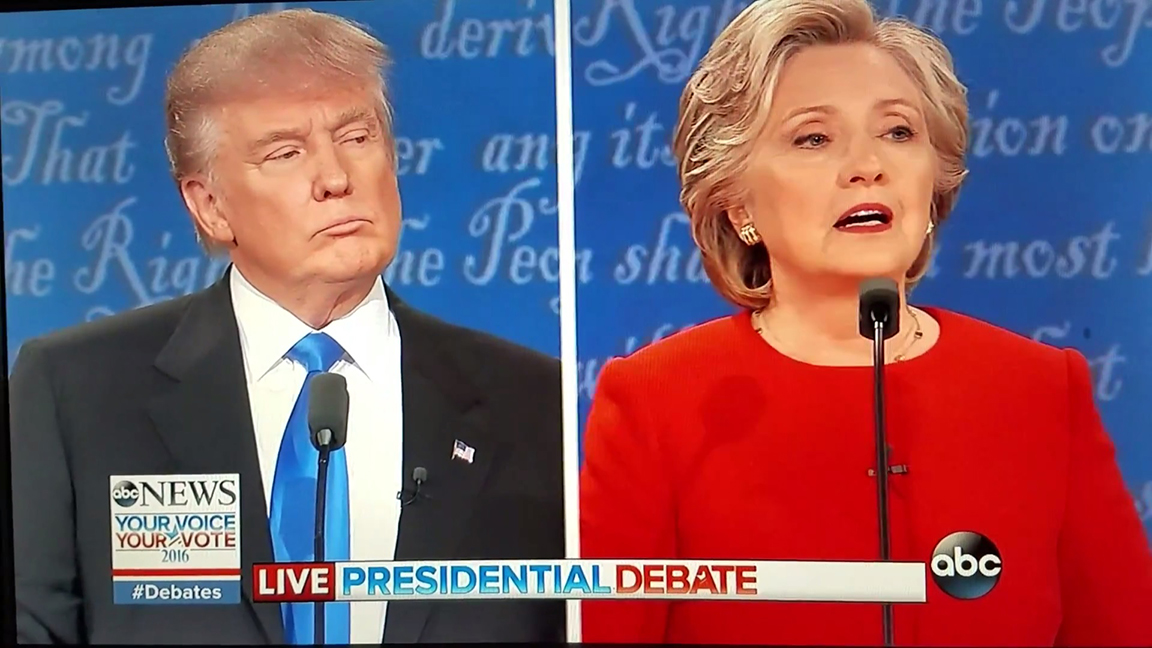
To most people who know anything about debating, or about national and international issues, or about the presidency, Hillary Clinton pretty much cleaned Donald Trump’s clock last night.

She was serious, focused, informed, composed, presidential. He was thin-skinned, blustery, illogical, inarticulate, uninformed — the usual.

But does it matter? Does it make a difference? In 2016, that is the operative question.

I’ve had several conversations with folks this morning, and everyone has more or less agreed with this assessment. But I tend to speak to well-informed people.

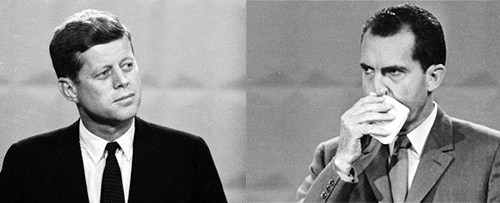
I keep thinking about the first Kennedy-Nixon debate in 1960. Debate experts said Nixon won. So did most people who heard it over the radio. But those who saw it on TV said Kennedy won. And that was the new factor that the professionals, the experts, didn’t take into consideration.

Today, the new factor is that a significant portion of the electorate has gone stark, raving mad.

A debate like what we saw last night would have been inconceivable in 1960. Regardless of whether you think Nixon or Kennedy won, both of them did an excellent job by any informed standard. It would have been completely impossible for someone like Donald Trump to be on that stage. (Some would say it would be impossible for someone like Hillary to be there, but such people are looking at the superficiality of gender. The fact is with regard to factors that matter, she fits comfortably into the Nixon-Kennedy set of candidates.)

No one like Trump would be the Republican nominee. No one like Trump would have made any kind of showing in the primaries. Anyone as blustery and undisciplined as Trump would have been lucky to have been allowed to sit in the audience and watch.

So the difference between him and Hillary Clinton last night is far, far starker than the minimal contrast between Nixon and Kennedy. It’s not a contest between two qualified candidates. It’s between a qualified candidate and a nightmare.

But our politics are so messed up today, the electorate’s Kardashian-numbed sensibilities so accepting of the unacceptable, that the fact that she beat him like a drum last night — in the eyes of the knowledgeable, the thoughtful — may be as irrelevant as Nixon beating Kennedy on points. More so.

Trump’s support is such an illogical phenomenon that one cannot logically predict the effect of the debate.

And that’s yet another very, very disturbing thing about this election…

kennedy-nixon

Jaime Harrison and Matt Moore are my heroes

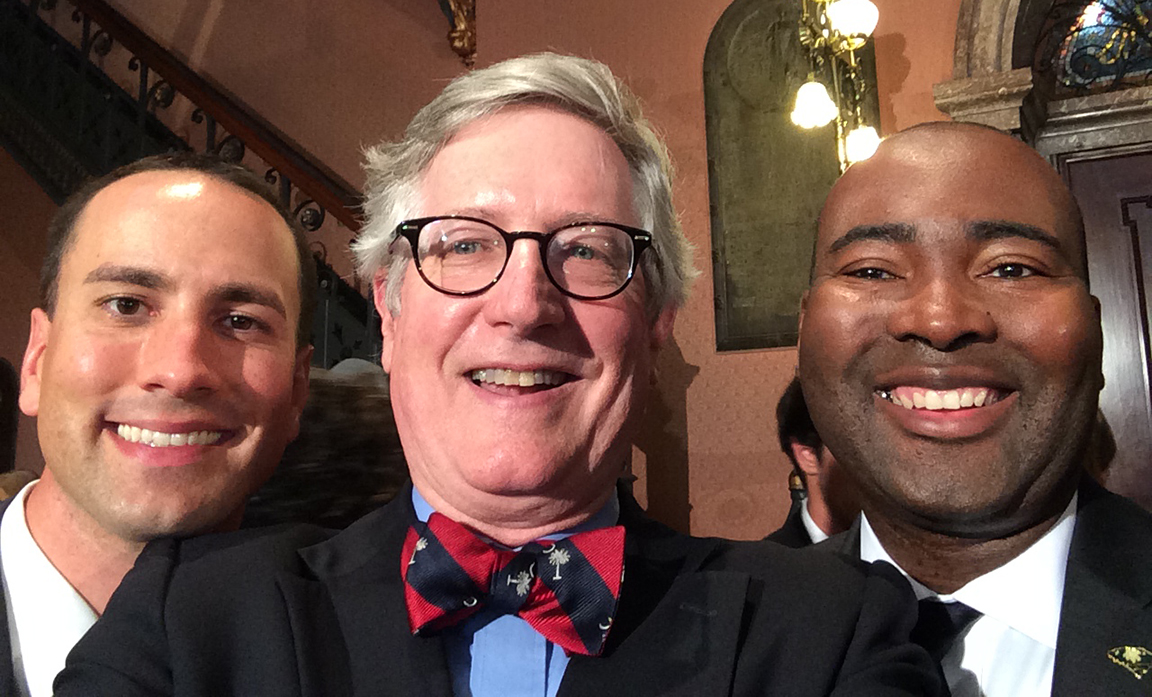
Matt, me and Jaime, on the day the legislation was signed to get the Confederate flag off the State House grounds.

Matt, me and Jaime, on the day the legislation was signed to get the Confederate flag off the State House grounds.

You might say “heroes” is a tad strong, but I wanted to draw you in and get you to read this, and both of these young men really do deserve a rather hearty pat on the back.

This is especially remarkable since y’all know how much I despise both parties, and Matt and Jaime are, respectively, the chairmen of the Republican and Democratic parties in South Carolina.

But they are remarkably free of many of the most objectionable characteristics associated with being party chairmen in the 21st century.

To begin with, rather than being enemies who reflexively spit on the ground whenever each other’s names are mentioned, they are buds. CNN noted this in a piece back in February — the month of the presidential primaries here — headlined, “Odd Couple: How a Republican and a Democrat became friends in South Carolina.

The AP’s Meg Kinnard followed up this month with a piece headlined “South Carolina party chairs beat vitriol with friendship.”

And you’ll recall when I celebrated their unanimity on the day the legislation to bring down the Confederate flag was signed. See the above photo.

But there are additional reasons to applaud these guys.

Back to how much I despise parties… I’m not going to go into all the reasons I do, but let’s look at two biggies — two things that have done more to make the parties into destructive forces in our republic than any other. Particularly the first one:

  1. Party-protecting reapportionment. This is the biggie. If we fixed this, we would repair most of the damage the parties have done to our country. As things stand, almost every congressional or legislative district in the country is drawn — by lawmakers of whichever party controls the body — to make it completely safe for candidates of one party or the other. This makes the November elections a joke, and puts the real contest in each district in the primary of the controlling party. That means the only competition an incumbent has to worry about is a primary challenge from someone who is more extreme, more ideologically pure, in terms of that party’s ideology. That means both parties get pulled to their respective extremes, and the space in the middle — where members of each party can talk to members of the other, the place where solutions are found and commonsense legislation enacted — becomes depopulated. And our government flies apart, and ceases to function. Nobody can even speak the same language, much less find commonalities to build on.
  2. Straight-ticket voting. I hate this for what it encourages voters to do, and even more for what it encourages them not to do. It enables them to avoid thinking. Voters who choose this option don’t have to think about any of the candidates on the ballot. They don’t have to be informed; they don’t have to discern; they don’t have to make comparisons. Which means they don’t have to pay attention before Election Day, or on Election Day. They just choose a party, and go home. This makes an utter travesty of the voters’ role in our representative democracy. And most shockingly, half of the voters in South Carolina choose this option.

Knowing how much I despise those things, imagine how pleased I was to find Jaime and Matt speaking out against both of them.

Particularly the way reapportionment is done.

From a recent story by The State’s Jamie Self:

One way to make S.C. races more competitive, Moore and Harrison say, is to end lawmakers’ control over the process of drawing district lines.

The GOP and Democratic party leaders suggest a nonpartisan or bipartisan panel draw district lines, instead of lawmakers.

Massey, R-Edgefield, said convincing lawmakers to cede their influence over the redistricting process – and their political futures – would be a heavy lift. Even he would be “reluctant to give up that authority to an outside group.”

But Massey said he would support ending straight-party voting.

“I don’t think it’s too much to ask people to take 30 seconds to push all the buttons,” he said. But, he added, there will be “partisans on both sides that are going to go ballistic over that if you try to change it.”

Yes, they would. As they would totally freak out over reapportionment reform. There is probably nothing that incumbents will fight harder to hang onto than their enormously destructive power to draw district lines so as to choose their voters, rather than letting the voters choose their representatives.

But that makes me appreciate all the more Matt’s and Jaime’s willingness to take a stand on this.

Jamie’s story also delved into the evil of straight-party voting. The story wasn’t as clear in terms of communicating what the party chairs think of that, so I contacted them both yesterday to find out.

I reached Mr. Harrison via email, asking whether he was willing to take a stand against straight-ticket voting. He responded, “Personally yes… It isn’t the stance of the party, because the issue hasn’t come up for a party position.  Nonetheless, I personally believe that is one of the many reforms we need.”

Amen. Later in the day I reached Matt Moore by phone and posed the same question. I didn’t ask for an official party position, but just asked whether he, Matt Moore, would take a stand.

And he did. There’s no proposal currently before lawmakers, but “in theory, I am for doing away with it.” He sees a need for “more informed voters,” and doing away with the straight-ticket copout would certainly be a way to demand more more knowledge, more attention, from voters.

We also chatted a bit about reapportionment, and it was along the lines of what he said about it in Jamie’s story:

Moore said he is glad his party controls the state Legislature, but the way district lines are drawn is taking its toll on the GOP nationally.

“It’s led to Republicans being in control of Congress, but being unsuccessful in presidential elections,” Moore said, adding the GOP’s difficulty in appealing to minority and younger voters stems from its candidates not having to campaign for their votes at home.

More competitive districts “would force candidates to go out and talk to people who don’t look like them.”…

And wouldn’t that be something wonderful? Lawmakers paying attention to everyone in their communities, rather than the narrow constituencies they’ve carved out for themselves through reapportionment.

I firmly believe it would cure a great deal of what ails our politics today.

And while it’s not a concrete step, I think it’s a great first step to have the chairs of both parties willing to talk about the need for change, rather than defending the intolerable status quo.